
Tapioca Starch
What is Tapioca Starch?
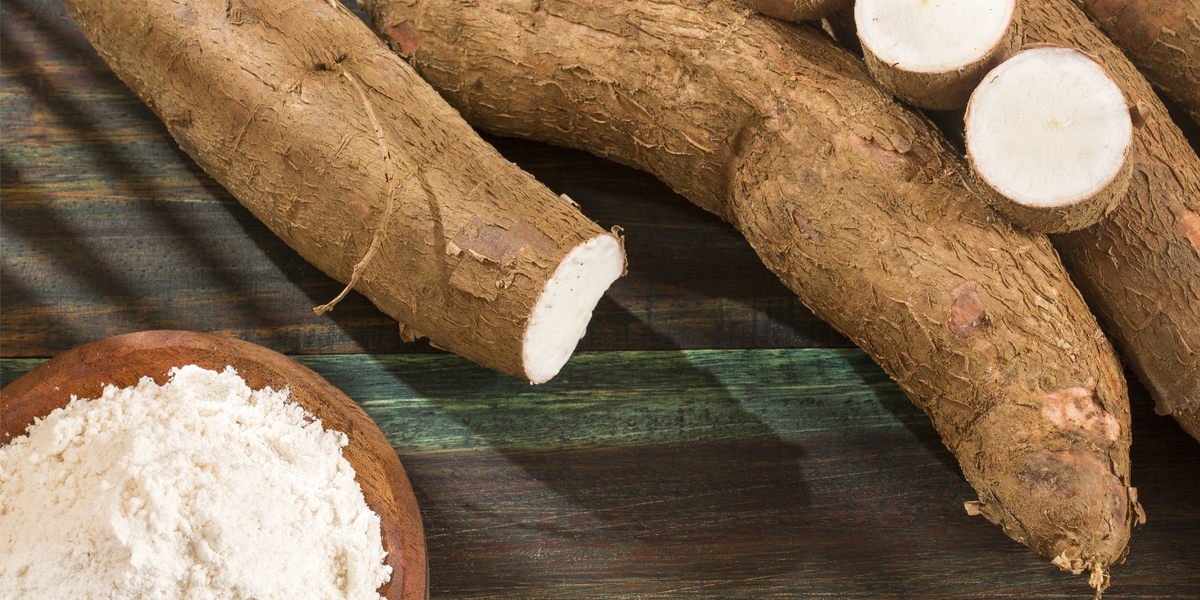
Tapioca is a starch extracted from the root of the cassava tapioca plant (Manihot esculenta), a tropical shrub native to South America. While many people recognize tapioca from bubble tea pearls, puddings, and desserts, tapioca starch also has widespread nutraceutical, pharmaceutical, textile, cosmetic, and industrial applications.
Tapioca starch is derived from cassava root through a washing, pulping, and extraction process. The wet pulp is pressed to release its starchy liquid, which is then dried into a fine white powder known as tapioca starch or tapioca flour. Although the terms tapioca flour and tapioca starch are often used interchangeably, both refer to this purified cassava-derived starch used in food and commercial applications.
Because it is plant-based and minimally processed, tapioca starch has become a preferred ingredient in clean-label and specialty product formulations.
What Are Starches?
Starches are complex carbohydrates known as polysaccharides, meaning they consist of long chains of glucose molecules. In plants, starch acts as a natural energy reserve. These carbohydrates are generally insoluble in water and alcohol and are valued for their thickening, binding, and stabilizing properties.
Throughout history, starches have been used not only in food preparation but also in industrial and adhesive applications. For example, starch-based adhesives were used in ancient Egypt for papyrus production.
Today, tapioca starch remains one of the most versatile plant-based starches due to its neutral flavor, clarity when cooked, and smooth texture.
Tapioca Starch Applications
Thanks to its clean, bland taste and smooth consistency, tapioca starch is widely used in food, nutraceutical, and commercial formulations.
When heated, tapioca starch forms a clear, glossy gel with a unique texture and sets into a soft gel upon cooling. This makes it ideal as:
• A thickening agent in food products
• A stabilizer in nutraceutical formulations
• A texture enhancer in baked goods
• A gluten substitute in specialty recipes
When added to bread and baked goods, tapioca flour helps soften texture, improve elasticity, and reduce stickiness. In addition to food uses, tapioca starch is utilized in cosmetics, skincare, and personal care products as a natural alternative to modified starches, improving spreadability and product feel.
Properties of Tapioca Starch

A common question is: Is tapioca gluten free? Yes! tapioca starch is naturally gluten free, making it an excellent alternative for individuals with gluten sensitivity or celiac concerns.
Tapioca starch typically contains around 15–20% amylose and is known for:
• High viscosity
• Strong binding properties
• Water retention capability
• Long shelf life
• Ability to thicken at lower temperatures compared to other starches
It appears as a fine white powder and is commonly used in gluten-free formulations as a substitute for wheat-based ingredients. Allergies to cassava or tapioca are rare, making it a widely tolerated ingredient.
Other Benefits of Tapioca
Tapioca is high in carbohydrates and has a relatively low glycemic index compared to many refined starches. It contains naturally occurring plant compounds such as saponins, which have been studied for potential immune support, cholesterol balance, and antioxidant properties.
Saponins possess unique emulsifying characteristics that allow them to interact with fats and water. In digestion, they may bind to bile acids and support their elimination from the body, which can contribute to cholesterol management and overall wellness.
Interested in Tapioca Starch Softgels?
After learning what tapioca starch is and how it’s derived from the cassava tapioca plant, you may be wondering how it’s used in advanced supplement delivery systems. At Sirona Naturals, we specialize in tapioca starch softgels – a plant-based alternative to traditional gelatin capsules.
Our vegan softgels are manufactured in the USA in a GMP certified facility and are ideal for oil-based nutraceutical formulations such as omega-3, astaxanthin, oregano oil, and vitamin D3.
Explore how our tapioca softgel manufacturing solutions can help your brand deliver clean-label, high-performance supplements.