
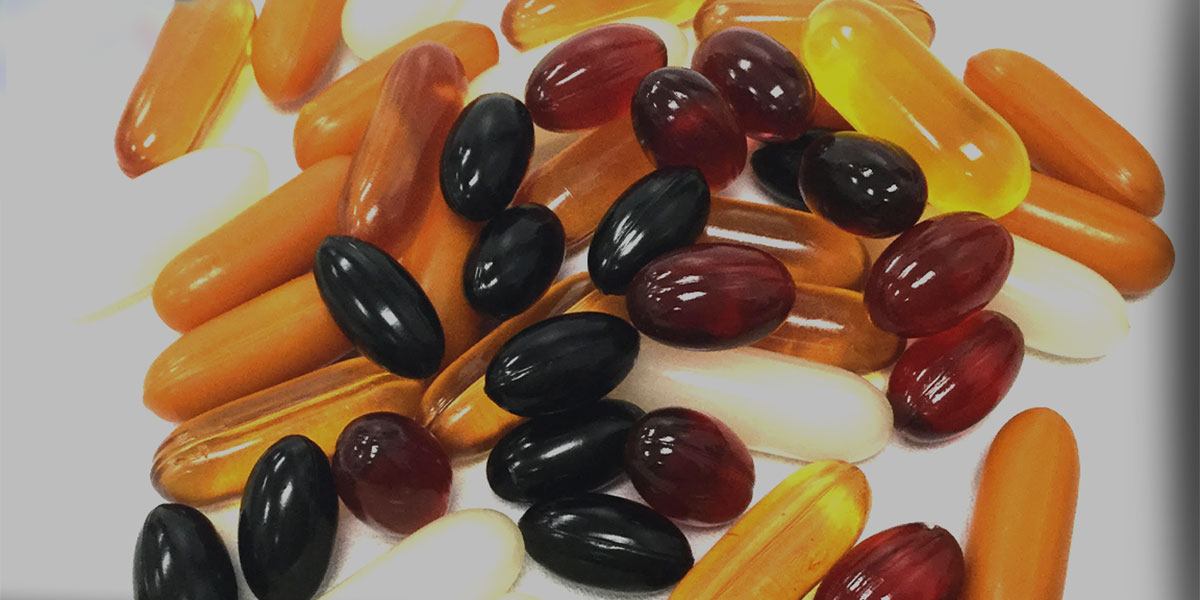
Gelatin vs Tapioca Softgels
Gelatin vs Tapioca Softgels: Which Is Better for Supplements?
As consumer demand shifts toward plant-based and clean-label supplements, many brands are reevaluating the capsules they use. One of the most common comparisons in today’s nutraceutical industry is gelatin vs tapioca softgels.
Traditional softgels are made from bovine or porcine gelatin. Tapioca softgels, on the other hand, are manufactured using tapioca starch derived from the cassava tapioca plant. This plant-based alternative has gained momentum among premium supplement brands, particularly those focused on vegan, gluten-free, and ethically sourced formulations.
To understand the difference, it helps to first answer a common question: what is tapioca? Tapioca is a purified starch extracted from cassava root. After washing and processing, it becomes a fine white powder known as tapioca starch or tapioca flour, which can then be engineered into softgel capsule shells suitable for oil-based supplements.
While both gelatin and tapioca capsules serve the same functional purpose, the sourcing, perception, and market positioning of each are very different.
Plant-Based vs Animal-Derived
The most obvious distinction is ingredient origin. Gelatin is derived from animal collagen, typically bovine or porcine sources. Tapioca softgels are completely plant-based, and a popular vegan substitute for gelatin.
Because tapioca starch comes directly from the cassava plant, it supports vegetarian and vegan product claims and can align with Halal and Kosher standards depending on facility certification. For brands targeting consumers who avoid animal products for ethical, dietary, or religious reasons, tapioca softgels provide a clear advantage.
In today’s supplement market, plant-based positioning is no longer niche, it is increasingly mainstream.
Clean Label and Allergen Considerations
Consumers are paying closer attention to ingredient lists and sourcing transparency. Tapioca starch has strong clean-label appeal because it is minimally processed and plant-derived.
Another frequently asked question is: is tapioca gluten free? Yes. Tapioca starch is naturally gluten free. It is also typically free from dairy, soy, and common animal allergens. This makes tapioca softgels an attractive choice for brands formulating products for sensitive populations or consumers seeking simplified ingredient decks.
Gelatin capsules can certainly be high quality, but they do not provide the same plant-based or allergen-friendly messaging that tapioca softgels offer.
Performance in Oil-Based Supplements
Functionally, tapioca softgels are engineered to perform comparably to gelatin softgels. They are particularly well suited for oil-based nutraceutical formulations such as algal omega-3, CoQ10, vitamin D, CBD oil, herbal extracts, and astaxanthin.
Modern tapioca starch softgel technology provides similar oxygen barrier protection and stability to traditional gelatin capsules. This allows supplement brands to maintain product integrity while transitioning to plant-based encapsulation.
For manufacturers and formulators, the performance gap between gelatin and tapioca has narrowed significantly in recent years.
Stability and Formulation Considerations
One technical difference between the two materials involves cross-linking. Gelatin capsules can sometimes undergo cross-linking reactions under certain storage or formulation conditions, which may affect dissolution over time. Tapioca starch softgels are generally less prone to these reactions and may offer improved compatibility with specific oil fills.
Additionally, because tapioca capsules are not derived from animal tissue, they eliminate concerns related to animal-origin sourcing risks. For brands focused on risk mitigation and long-term stability, this can be an important consideration.
Consumer Experience
From a consumer perspective, both capsule types offer a smooth, easy-to-swallow format. Tapioca softgels maintain a similar texture and mouthfeel to gelatin capsules, ensuring familiarity while delivering plant-based benefits.
Most consumers will not notice a difference in usability, but they may strongly value the ingredient story behind the capsule itself.
Sustainability and Market Positioning
Sustainability has become a key differentiator in the supplement industry. Cassava, the source of tapioca starch, is a renewable crop cultivated globally. Compared to animal-derived gelatin, plant-based capsules often align more closely with eco-conscious and ethical branding strategies.
As younger and health-conscious demographics continue to influence purchasing decisions, clean-label, vegan, and sustainably sourced products are becoming primary drivers of growth.
When Tapioca Softgels Make the Most Sense
Tapioca softgels are particularly well suited for vegan omega-3 supplements made with algal oil, CBD and hemp extract products, premium nutraceutical brands, and private label lines targeting modern, ingredient-aware consumers. They are also increasingly requested in clean-label contract manufacturing programs where plant-based encapsulation is a strategic requirement.
While gelatin remains an industry standard and may offer lower cost advantages, tapioca softgels provide a vegetarian substitute for gelatin and stronger alignment with current market trends.
The Bottom Line
Tapioca softgels combine plant-based sourcing, clean-label appeal, allergen-friendly formulation, and performance comparable to gelatin capsules. As demand for vegan and transparent supplement manufacturing continues to grow, plant-based softgels are becoming a preferred substitute for gelatin.
For companies exploring tapioca softgel manufacturing, private labeling, or contract manufacturing manufactured in the USA, partnering with a GMP certified softgel manufacturer ensures regulatory compliance, quality assurance, and scalable production.
Interested in Tapioca Softgel Manufacturing?
If you are considering transitioning from gelatin to plant-based capsules, Sirona Naturals offers GMP certified contract manufacturing and private labeling services in the USA, specializing in tapioca starch softgels for oil-based nutraceutical formulations.
Learn how tapioca softgels can strengthen your supplement positioning while meeting modern consumer expectations for vegan, gluten-free, and clean-label products.