
Vegan Gelatin Alternatives for Supplements
A Brand’s Guide to Plant-Based Softgels and Capsules
Most supplement capsules and softgels are still made from gelatin, a protein derived from animal collagen. As more consumers look for plant-based products, that single ingredient increasingly decides whether a product makes it into the cart. Choosing a shell material has become a commercial decision for supplement brands, not just a technical one.
This article covers the plant-based alternatives to gelatin that matter in supplement manufacturing, how each behaves in a real formulation, and the routes available to brands that want to use them.
Why Supplement Brands Are Moving Away From Gelatin
Gelatin has been the standard capsule and softgel material for decades because it is inexpensive, well understood, and easy to process. What has changed is the customer.
Plant-based eating has moved into the mainstream, and shoppers now apply the same ingredient scrutiny to supplements that they apply to food. While gelatin is gluten free, it is not plant based. A gelatin shell rules a product out for vegan, vegetarian, halal, and kosher consumers at once, no matter how good the formula inside is. Replacing it with a plant-based shell removes that barrier with a single decision, and it gives a brand a cleaner label story in a category where clean labels sell.
The Main Plant-Based Gelatin Alternatives
No single ingredient replaces gelatin across every application. Plant-based formulation means choosing the right material for the product.
Agar-Agar
Agar is extracted from red seaweed and sets into a firm gel that stays stable at room temperature. It has an unusually wide gap between its setting and melting points, which FAO documentation puts at roughly 32 to 45 degrees Celsius for setting and 85 degrees or higher for melting. That makes agar gels far more heat-stable than gelatin. Since agar sets firmer and more brittle, the tradeoff is texture.
Pectin
Pectin comes from fruit and is the most common gelling agent in vegan gummy supplements. It delivers the soft chew consumers expect and carries fruit flavors well. Its set depends on sugar and acid levels, or on calcium for low-methoxyl grades, so a pectin gummy is formulated to those parameters rather than substituted directly into an existing gelatin recipe.
Carrageenan
Also seaweed-derived, carrageenan is used for texture and suspension more than for firm gelling. Kappa carrageenan produces a firmer gel and iota a softer, more elastic one, which makes it useful where mouthfeel or even ingredient distribution is the goal.
Starch-Based Alternatives, Including Tapioca
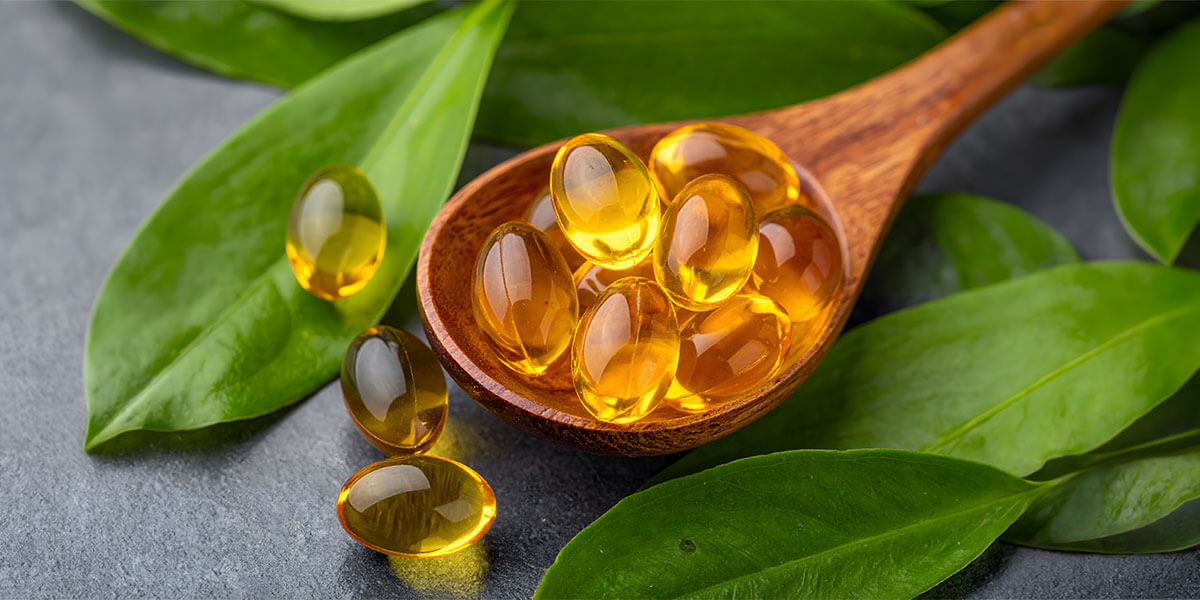
Starch is where this moves from food into softgel production. Tapioca starch, obtained from the cassava root, is used commercially to make plant-based softgel shells that are naturally gluten free and can be produced to non-GMO, halal, and kosher standards.
Worth knowing: plant-based films are more demanding to work with than gelatin. A 2025 review of soft capsule shell materials confirms starch-based films can be manufactured on standard rotary die equipment, but notes they form weaker films than gelatin. Plant-based softgel production is a process discipline rather than a straight material swap, which is why manufacturer experience matters more here than it does with a conventional gelatin shell.
Cellulose and HPMC
For two-piece capsules, cellulose is the established plant-based option. Hydroxypropyl methylcellulose, or HPMC, is a cellulose-derived polymer used in place of gelatin capsule shells, and it is generally what buyers mean when they search for cellulose gelatin. Its most useful difference from gelatin is moisture: HPMC capsules hold roughly a third of the moisture that gelatin capsules do, which makes them a strong choice for hygroscopic or moisture-sensitive fills.
Plant-Based Alternatives at a Glance
All are vegan by origin and can be produced to halal and kosher standards. They are not interchangeable, and your format, fill, and label claims determine which one fits.
- Agar-agar is seaweed-derived, sets firm, and is heat stable. Best for jelly-style and some gummy applications.
- Pectin is fruit-derived and produces a soft chew. The usual choice for vegan gummies.
- Carrageenan is seaweed-derived and used for texture and suspension rather than firm gelling.
- Tapioca starch comes from the cassava root and is the plant-based route to softgels, especially for oils and liquids.
- Cellulose (HPMC) is the plant-based material for two-piece capsules and the direct replacement for gelatin capsule shells.
Gelatin vs. Vegetarian Capsules and Softgels
For most brands the decision comes down to a few practical differences.
Gelatin’s best-documented limitation is cross-linking. As Pharmaceutical Technology explains, heat, humidity, light, certain dyes, and aldehydes can cause gelatin to polymerize, which slows capsule disintegration and dissolution. It is a recognized enough issue that USP methods allow a second-tier dissolution test when cross-linking is demonstrated.
Vegetarian capsules made from cellulose avoid the animal-origin problem entirely and carry lower moisture, an advantage with reactive or moisture-sensitive fills. One material satisfies vegan, vegetarian, halal, and kosher requirements at once.
For softgels, the comparison is between a gelatin shell and a tapioca starch shell. A tapioca softgel lets a brand keep the softgel format consumers associate with oil-based supplements, such as vegan omega-3 or vitamin D products, while removing the animal-derived component. Since plant-based films are inherently more demanding to run, the deciding factor is whether your manufacturer can produce them consistently at scale.
Choosing a Format: Softgel or Capsule
Format generally follows the fill. Oil-based and liquid actives suit softgels. An omega-3, a fat-soluble vitamin, an oil-based botanical, or any liquid that benefits from an airtight, single-dose shell is a candidate for a tapioca softgel.
Powders, blends, and granular ingredients suit two-piece capsules. A dry formula is usually simpler and more economical in a vegetarian cellulose capsule, which also handles a wide range of fill weights.
Manufacturing a Vegan Supplement: Contract Manufacturing vs. Private Label
There are two main routes to market.
Contract manufacturing applies when you have a formula, or a clear concept for one, and want it produced to your specification. You control the ingredients and the claims, and the manufacturer handles encapsulation, quality systems, and scale-up. This suits brands with a proprietary blend or a specific plant-based positioning to protect.
Private label applies when you want an established, ready-to-brand product without developing a formula. You choose from existing plant-based products, apply your branding, and reach market faster. This suits brands entering a new category, extending a line, or launching lean.
Sirona Naturals works in both models. We manufacture tapioca softgels and vegetarian capsules under cGMP quality systems in an FDA-registered facility, with non-GMO, halal, kosher, and gluten-free options.
If you are considering a plant-based reformulation or planning a new vegan line, book a consultation with our formulation team to review your ingredient, format, and manufacturing options. For a closer look at the two shell materials, see our guide to gelatin vs. tapioca softgels. You can also read more about our contract manufacturing and private label services!